
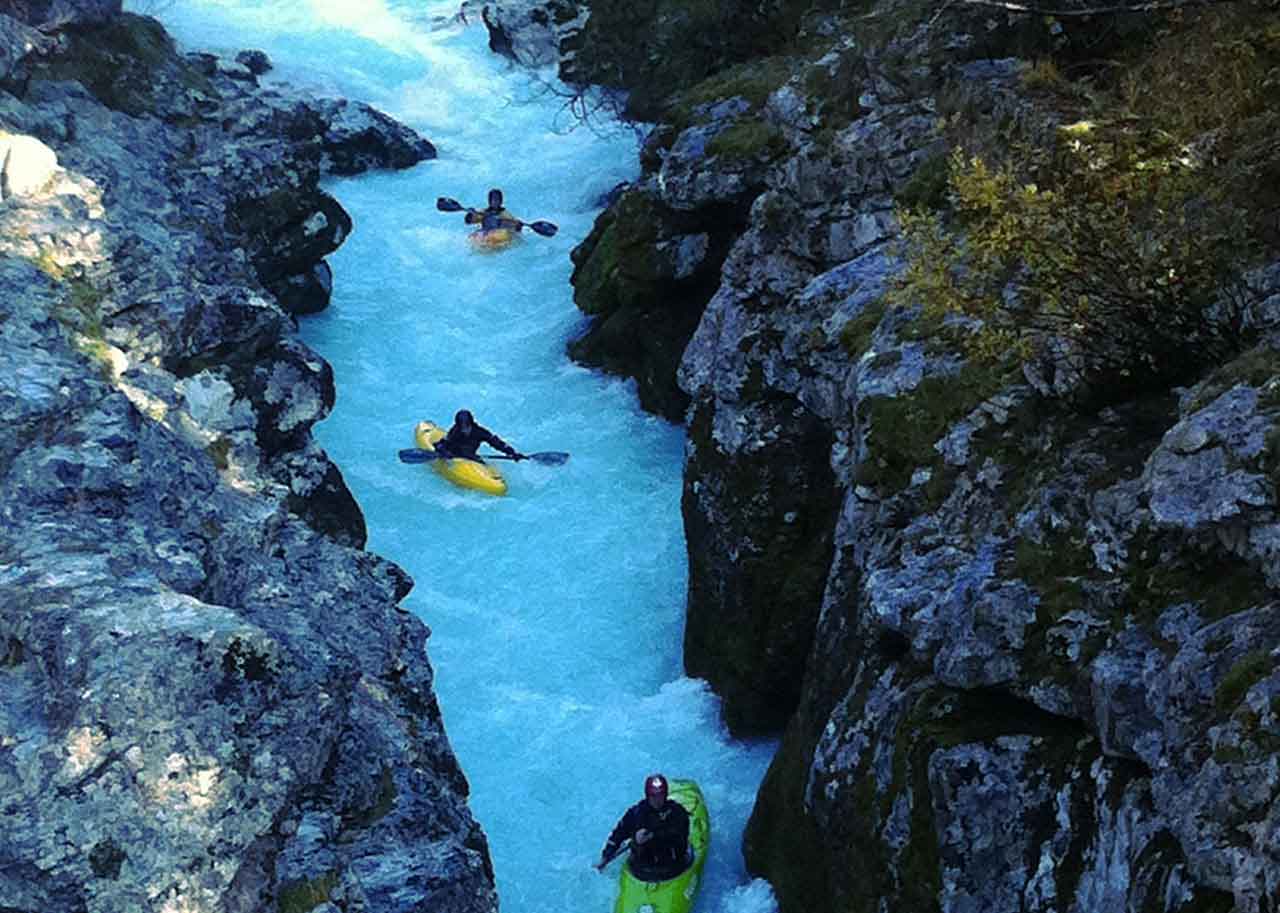
Kayaking: Adventurous Sport
Few outdoor pursuits offer the unique blend of adrenaline, freedom, and connection to nature quite like kayaking. Whether you are slicing through roaring whitewater rapids, navigating coastal ocean swells, or quietly paddling down an untouched wilderness river, kayaking is the ultimate adventure sport. It challenges your physical endurance, sharpens your mental focus, and opens up remote landscapes that are completely inaccessible by foot or vehicle.
For thrill-seekers and nature enthusiasts alike, picking up a paddle is the gateway to a life filled with exploration. Here is everything you need to know about kayaking as an adventurous sport, from its distinct disciplines and physical benefits to essential safety gear and getting started.
1. The Diverse World of Kayaking Disciplines
One of the greatest appeals of kayaking is its incredible versatility. The sport is not a one-size-fits-all experience; rather, it encompasses several distinct disciplines, each offering its own set of challenges and adrenaline levels:
- Whitewater Kayaking: The pinnacle of adrenaline in the kayaking world. Paddlers navigate rushing river currents, drop over waterfalls, and maneuver around technical boulder fields. Whitewater rivers are rated on a difficulty scale from Class I (easy, moving water) to Class VI (extreme, highly dangerous rapids).
- Sea and Ocean Kayaking: Designed for open-water adventure, sea kayaking involves navigating ocean tides, coastal swells, and shoreline crashing waves. Ocean paddlers often explore coastal sea caves, remote islands, and pristine marine ecosystems.
- Touring and Expedition Kayaking: For those who love long-distance endurance, touring involves multi-day wilderness trips down expansive river systems or lake networks. Paddlers carry all their camping gear, food, and supplies right inside the kayak’s sealed hatches.
- Surf Kayaking: Combining elements of traditional surfing and ocean paddling, surf kayakers ride ocean waves using specially designed, highly maneuverable kayaks to perform turns and aerial tricks.
2. Physical and Mental Health Benefits
While the thrill of adventure is often the primary draw, kayaking doubles as an incredible full-body workout and a powerful tool for mental clarity.
A Dynamic Full-Body Workout
A common misconception among beginners is that kayaking only works the arms. In reality, proper paddling technique engages your entire body:
- Core Strength: Rotational power for every paddle stroke comes directly from your abdominals, obliques, and lower back muscles.
- Upper Body Conditioning: Continuous paddling builds endurance and functional strength in the back (latissimus dorsi), shoulders, chest, and arms.
- Leg and Lower Body Engagement: Pressing your feet against the footbraces and bracing your knees inside the cockpit provides stability and transfers energy throughout the boat.
Mental Focus and Stress Relief
Navigating dynamic water requires absolute presence. When you are assessing a rapid or reading ocean currents, everyday worries fade away—creating a state of intense mental “flow.” Furthermore, spending time outdoors on open water significantly reduces cortisol levels, improves mood, and fosters a deep sense of psychological reset.
“A river is more than an amenity, it is a treasure. Kayaking teaches you to read its mood, respect its power, and move seamlessly within its current.”
3. Essential Gear for the Adventurous Paddler
Heading out on the water requires the right equipment to ensure both performance and survival in shifting environments. Here are the core pieces of gear every adventurer needs:
- The Kayak: Choosing the right hull style depends on your discipline—short, rigid plastic whitewater boats for maneuverability; long, narrow fiberglass sea kayaks for tracking speed; or sit-on-top recreational kayaks for casual lake exploration.
- The Paddle: Lightweight materials like carbon fiber or fiberglass reduce fatigue during long paddling sessions. Ensure your paddle length matches your height and boat width.
- Personal Flotation Device (PFD): A high-quality, properly fitted life jacket is mandatory for every paddler regardless of swimming ability. Modern sports PFDs are designed with high armholes for unrestricted shoulder movement.
- Spray Skirt: Used in sit-inside kayaks, a spray skirt creates a watertight seal around the cockpit to keep water from crashing into the boat during rough waves or whitewater rolls.
- Thermal Protection: Depending on water temperature, neoprene wetsuits or fully waterproof drysuits are essential to guard against hypothermia.
4. Mastering Essential Skills and Safety Protocols
Adventure sports inherently involve risk, but proper education and preparation reduce those risks significantly. Before tackling challenging water, every kayaker should master these foundational skills:
- The Forward and Sweep Strokes: Developing efficient stroke mechanics prevents shoulder strain and maximizes forward power with minimal effort.
- Low and High Braces: These quick-reaction strokes use the flat blade of the paddle against the water surface to slap the boat back upright when you begin to tip over.
- Wet Exit and Self-Rescue: Learning how to safely slip out of a capsized kayak and scramble back aboard in deep water is a critical safety milestone.
- The Eskimo Roll: For whitewater and sea kayakers, mastering the roll allows you to flip your capsized kayak back upright without ever exiting the boat.
5. How to Get Started on Your Kayaking Journey
If you are ready to transition from a curiosity to a full-fledged paddling adventure, starting with a structured approach is the best way to build confidence:
- Take a Certified Class: Enroll in a beginner course certified by organizations like the American Canoe Association (ACA) or British Canoeing. Learning proper technique from certified instructors prevents bad habits.
- Join a Local Paddling Club: Connecting with local paddling groups is a great way to find mentors, learn about local waterways, and join safe group outings.
- Rent Before You Buy: Test out different boat styles, paddle lengths, and disciplines before making a major financial investment in your own gear.
The Takeaway: The River is Calling
Kayaking is far more than a recreational hobby; it is a gateway to wild spaces, physical empowerment, and unforgettable adventures. Whether you dream of conquering white-knuckle river rapids or gliding peacefully along sea cliffs at sunset, the world looks completely different from the seat of a kayak.
Grab a paddle, gear up safely, and discover the thrill of the water today!