
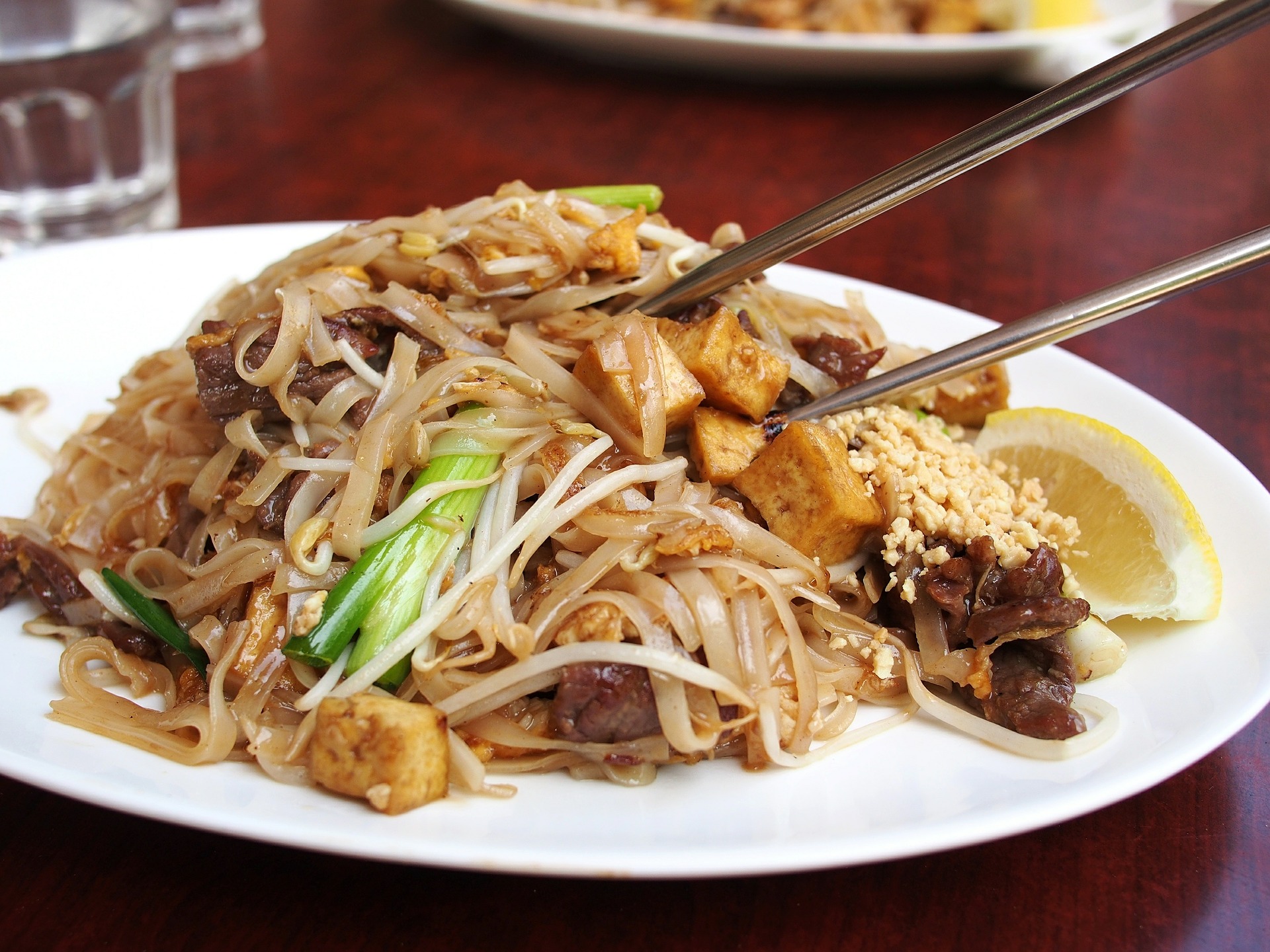
Thai Fried Noodle
Few culinary traditions in the world capture the balance of sweet, salty, sour, and savory quite like Thai street food. Among the vast array of vibrant dishes found in night markets from Bangkok to Chiang Mai, Thai fried noodles stand out as the ultimate comfort food. Whether it is the iconic, tangy-sweet snap of Pad Thai or the smoky, savory richness of Pad See Ew, these stir-fried delights have captured the hearts of food lovers across the globe.
Cooking authentic Thai fried noodles at home is an art, but it does not have to be intimidating. By understanding the core ingredients, mastering high-heat wok technique, and balancing essential flavors, you can recreate restarant-quality Thai noodles right in your own kitchen. Here is everything you need to know about Thai fried noodles.
1. The Big Two: Pad Thai vs. Pad See Ew
When most people think of Thai fried noodles, two classic dishes immediately come to mind. While both rely on rice noodles and high-heat stir-frying, their flavor profiles and ingredients are distinctly unique:
Pad Thai (Phad Thai)
Often considered Thailand’s national dish, Pad Thai features thin or medium flat rice noodles stir-fried with tofu, eggs, shrimp or chicken, and bean sprouts. The signature flavor comes from a vibrant sauce made with tamarind paste, fish sauce, and palm sugar, giving it a harmonious blend of sweet, sour, and salty notes. It is traditionally garnished with crushed roasted peanuts, fresh lime wedges, and chili flakes.
Pad See Ew
Translating to “fried with soy sauce,” Pad See Ew is a savory, comfort-heavy street staple influenced by Chinese cooking techniques. It utilizes wide, flat rice noodles (Sen Yai) tossed with tender protein, Chinese broccoli (Gai Lan), scrambled egg, and a rich combination of sweet dark soy sauce and savory light soy sauce. Unlike Pad Thai, Pad See Ew is savory and subtly sweet with a distinct charred flavor.
2. The Secret Ingredient: Unlocking “Wok Hei”
The single factor that elevates street vendor noodles above home-cooked versions is a Cantonese concept known as Wok Hei—literally translating to “breath of the wok.” It refers to the smoky, complex charred flavor that develops when food is tossed at intense heat in a seasoned cast iron or carbon steel wok.
To achieve a similar smoky depth on a standard home stove:
- Use Carbon Steel or Cast Iron: Heavy metal holds extreme heat much better than non-stick cookware, allowing noodles to caramelize rather than steam.
- Cook in Small Batches: Overcrowding the pan drops the temperature instantly, causing noodles to release moisture and turn soggy. Cook one or two portions at a time.
- Let the Noodles Sear: When tossing wide rice noodles in dark soy sauce, let them rest undisturbed against the hot wok surface for 15–20 seconds to achieve that signature golden char.
“Authentic Thai fried noodles aren’t just tossed in sauce; they are seared in intense heat. That brief caramelization is where true street-food magic happens.”
3. Key Pantry Essentials for Authentic Flavor
Building an authentic Thai noodle dish requires a few foundational pantry ingredients that cannot be substituted without altering the dish’s identity:
- Rice Noodles: Dry or fresh rice noodles are essential. For Pad Thai, choose medium-width rice sticks. For Pad See Ew or Pad Kee Mao (Drunken Noodles), look for fresh wide flat rice noodles.
- Tamarind Concentrate/Paste: The soul of Pad Thai sauce. Tamarind provides a complex, fruity sourness that vinegar simply cannot match.
- Thai Dark Sweet Soy Sauce: A thick, molasses-like soy sauce that gives Pad See Ew its dark, glistening color and subtle caramelized sweetness.
- Fish Sauce (Nam Pla): Delivers the deep, umami-rich saltiness fundamental to Southeast Asian cuisine.
- Palm Sugar: Offers a warm, butterscotch-like sweetness that balances pungent fish sauce and sour tamarind far better than refined white sugar.
4. Step-by-Step Guide to Cooking Perfect Pad See Ew
Here is a classic, quick-cooking blueprint for making a restaurant-quality beef or chicken Pad See Ew at home:
Ingredients Needed:
- 8 oz wide flat rice noodles (soaked or fresh)
- 6 oz sliced protein (chicken, beef, pork, or tofu)
- 2 cups Chinese broccoli (stems sliced thin, leaves cut into bite-sized pieces)
- 2 cloves garlic, minced
- 1 large egg
- Sauce Mixture: 1 tbsp dark sweet soy sauce, 1 tbsp soy sauce, 1 tbsp oyster sauce, 1 tsp sugar, and 1 tsp white pepper.
Cooking Instructions:
- Prep the Noodles: If using fresh noodles, gently loosen them by hand. If using dried, soak them in warm water until pliable but still firm.
- Sear the Protein: Heat 1 tablespoon of high-smoke-point oil in a wok over high heat. Add garlic and protein, stir-frying until nearly cooked through. Remove and set aside.
- Scramble the Egg: Add a bit more oil to the wok, crack in the egg, and scramble quickly until set. Push to the side.
- Sear Noodles & Greens: Toss the wide noodles and Chinese broccoli into the smoking hot wok. Pour the sauce mixture directly over the noodles.
- Combine and Char: Return the protein to the pan. Toss everything rapidly over maximum heat for 1–2 minutes, letting the noodles sit briefly to catch a slight char before serving hot.
5. Pro-Tips for Noodle Perfection
Avoid common cooking pitfalls with these simple kitchen rules:
- Don’t Over-Soak the Noodles: Rice noodles continue cooking in the hot wok with sauce. Soaking them until fully soft beforehand will result in mushy noodles. Keep them slightly underdone prior to hitting the pan.
- Mise en Place is Mandatory: Stir-frying happens in a matter of minutes. Have all sauces mixed, veggies chopped, and proteins prepped right beside your stove before turning on the heat.
- Balance to Taste: Thai cooking is inherently subjective. Always taste your sauce mixture before cooking—adjust with extra lime/tamarind for sourness, palm sugar for sweetness, or fish sauce for salt.
The Takeaway: Bringing the Streets of Bangkok Home
Thai fried noodles represent the absolute best of quick, high-flavor home cooking. By stocking your pantry with essential Thai staples, prepping your ingredients ahead of time, and embracing high-heat wok cooking, you can easily master these iconic street-food dishes in your own kitchen.
Fire up your stove, heat up the wok, and enjoy the rich, savory satisfaction of homemade Thai fried noodles today!