The Silent Vector: How Mosquito-Borne Diseases Threaten Global Health and Human Security
Despite their microscopic size, mosquitoes hold the title of the world’s deadliest animal. Responsible for over 700,000 deaths annually, these persistent insects act as primary vectors for some of the most devastating infectious pathogens in human history. Today, shifting climate patterns, rapid urban expansion, and global travel networks are accelerating the geographic reach of mosquito-borne diseases, creating an escalating public health crisis that threatens communities across both developing and industrialized nations.
From persistent endemic threats like malaria and dengue fever to emerging arboviruses such as Zika and chikungunya, combating mosquito-transmitted pathogens requires an integrated approach spanning medical innovation, ecological control, and global policy coordination. Here is an in-depth analysis of how mosquito-borne diseases threaten world health and the strategies being deployed to contain them.
1. The Big Players: Major Mosquito-Borne Pathogens
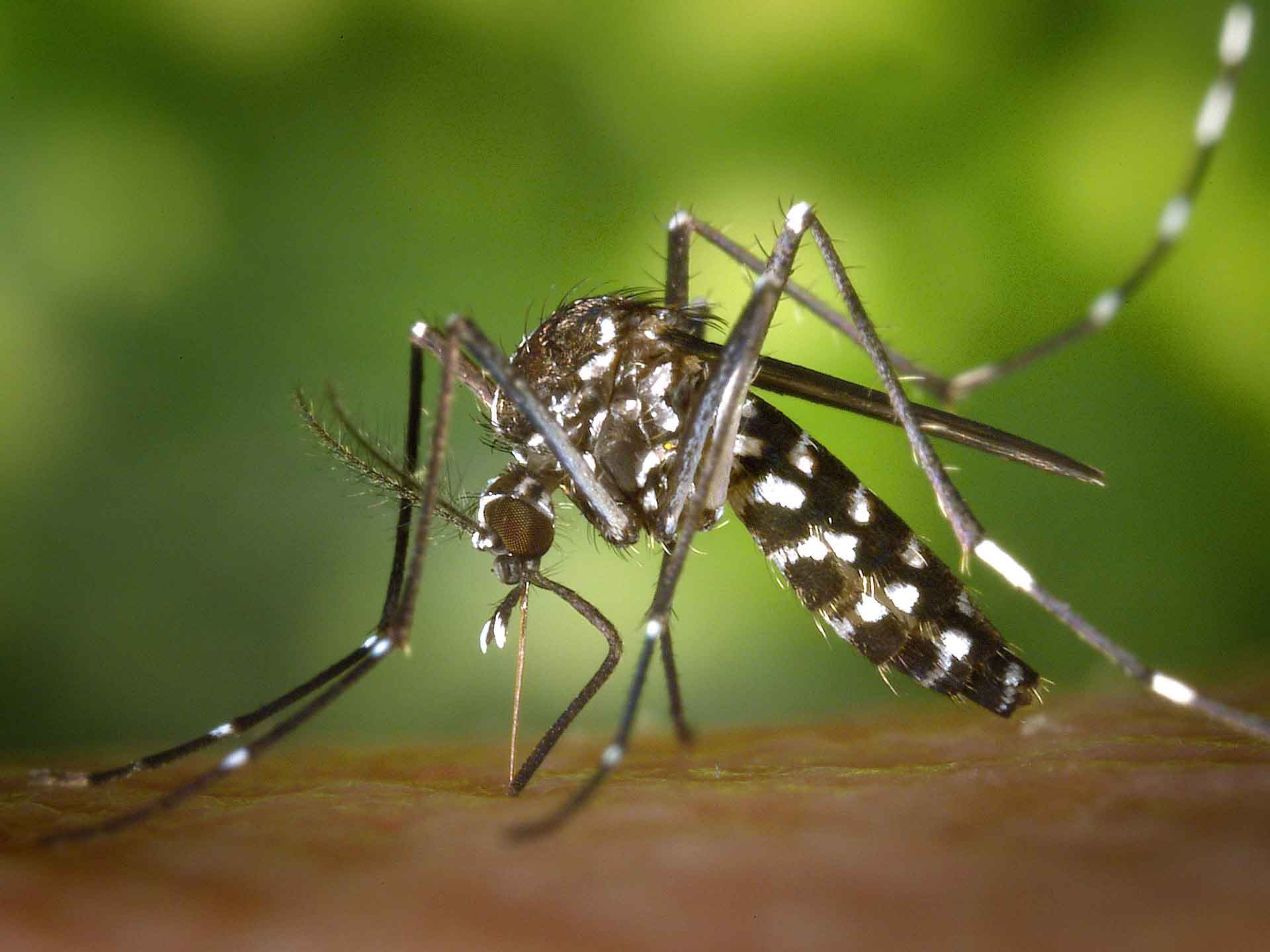
Mosquitoes do not cause illness directly; rather, female mosquitoes transmit viruses, parasites, and microscopic worms during blood meals necessary for egg development. Different mosquito species act as carriers for specific diseases:
- Malaria (Anopheles Mosquito): Caused by single-celled Plasmodium parasites, malaria remains a leading cause of child mortality globally, particularly in sub-Saharan Africa. Symptoms include high fevers, severe anemia, and organ failure if untreated.
- Dengue Fever (Aedes Aegypti & Aedes Albopictus): Known colloquially as “breakbone fever” due to severe bone and muscle pain, dengue incidence has skyrocketed globally over the last two decades, putting nearly half the world’s population at risk.
- Yellow Fever: An acute viral hemorrhagic disease that causes liver damage, jaundice, and high mortality rates in unvaccinated populations across tropical regions of Africa and South America.
- Zika Virus and Chikungunya: Emerging arboviruses that cause debilitating joint pain, rash, and serious neurodevelopmental complications, such as microcephaly in infants born to infected mothers.
- West Nile Virus: The most common mosquito-borne disease in continental North America, causing fever, encephalitis, and long-term neurological complications in severe cases.
2. Catalysts of Escalation: Why Threats Are Growing
The global threat posed by mosquito-borne diseases is expanding rapidly due to a convergence of environmental, demographic, and socioeconomic factors:
Climate Change and Expanding Vector Habitats
Rising global temperatures accelerate mosquito breeding cycles and shorten the incubation period required for viruses to replicate inside the insect. Extended warm seasons and changing precipitation patterns allow species like Aedes aegypti to thrive in higher altitudes and temperate latitudes previously immune to tropical outbreaks.
Uncontrolled Urbanization
Rapid, unplanned urban expansion often leads to inadequate water storage systems, poor drainage infrastructure, and dense housing setups. Stagnant water accumulating in discarded tires, open water drums, and gutters creates ideal breeding grounds inside heavily populated cities.
Globalization and Travel Speed
Modern commercial aviation allows an infected traveler—or an infected mosquito trapped in cargo—to cross continents in a matter of hours, well within the incubation period of most arboviruses. This connectivity facilitates sudden localized outbreaks in non-endemic regions.
“Mosquitoes respect no international borders. Containing vector-borne threats is not a localized regional effort, but a fundamental pillar of global health security.”
3. Technological and Ecological Breakthroughs in Vector Control
Traditional methods of mosquito control, such as chemical insecticide fogging and draining wetlands, are increasingly limited by environmental concerns and widespread pesticide resistance. Modern science is turning to revolutionary biological and genetic tools to curb vector populations:
- The Wolbachia Bacterial Strategy: Introducing naturally occurring Wolbachia bacteria into local Aedes aegypti populations drastically reduces the mosquito’s ability to transmit viruses like dengue and Zika to humans.
- Genetically Modified Mosquitoes: Releasing male mosquitoes engineered with self-limiting genetic traits leads to non-viable offspring, driving local vector populations down without chemical runoff.
- Next-Generation Vaccines: Recent breakthroughs in malaria vaccines—such as RTS,S and R21/Matrix-M—mark historic milestones in protecting vulnerable populations, alongside ongoing mRNA research for dengue and Zika immunization.
- Targeted Larvicides and Smart Traps: Deploying biological larvicides (like Bacillus thuringiensis israelensis) destroys mosquito larvae in stagnant water while protecting surrounding aquatic wildlife.
4. Personal Protection: How Individuals Can Reduce Exposure
While public health agencies work on large-scale suppression programs, individual protection remains the front line of defense against mosquito bites and infection:
- Eliminate Standing Water: Regularly inspect and empty planters, gutters, bird baths, pet bowls, and trash receptacles at least once a week to disrupt the egg-laying cycle.
- Utilize EPA-Registered Repellents: Apply insect repellents containing active ingredients proven to deter mosquitoes, such as DEET, Picaridin, or Oil of Lemon Eucalyptus (OLE).
- Wear Protective Clothing: Wear loose-fitting, light-colored long sleeves and pants during peak mosquito feeding hours (dawn and dusk for Anopheles; daytime for Aedes).
- Secure Living Spaces: Install high-mesh window screens, repair door gaps, and utilize insecticide-treated bed nets when sleeping in high-risk areas without air conditioning.
The Takeaway: A Continuous Fight for Global Health
Mosquito-borne diseases present an evolving challenge to global stability, health systems, and economic growth. Defeating these persistent threats requires sustained international funding, innovative vector control technologies, and community-wide environmental management.
By combining cutting-edge medical science with proactive personal defense, humanity can turn the tide against the world’s most dangerous vector!