Solar Eclipse Eye Health Warning: How to Safely Experience Solar Events Without Risking Permanent Vision Loss
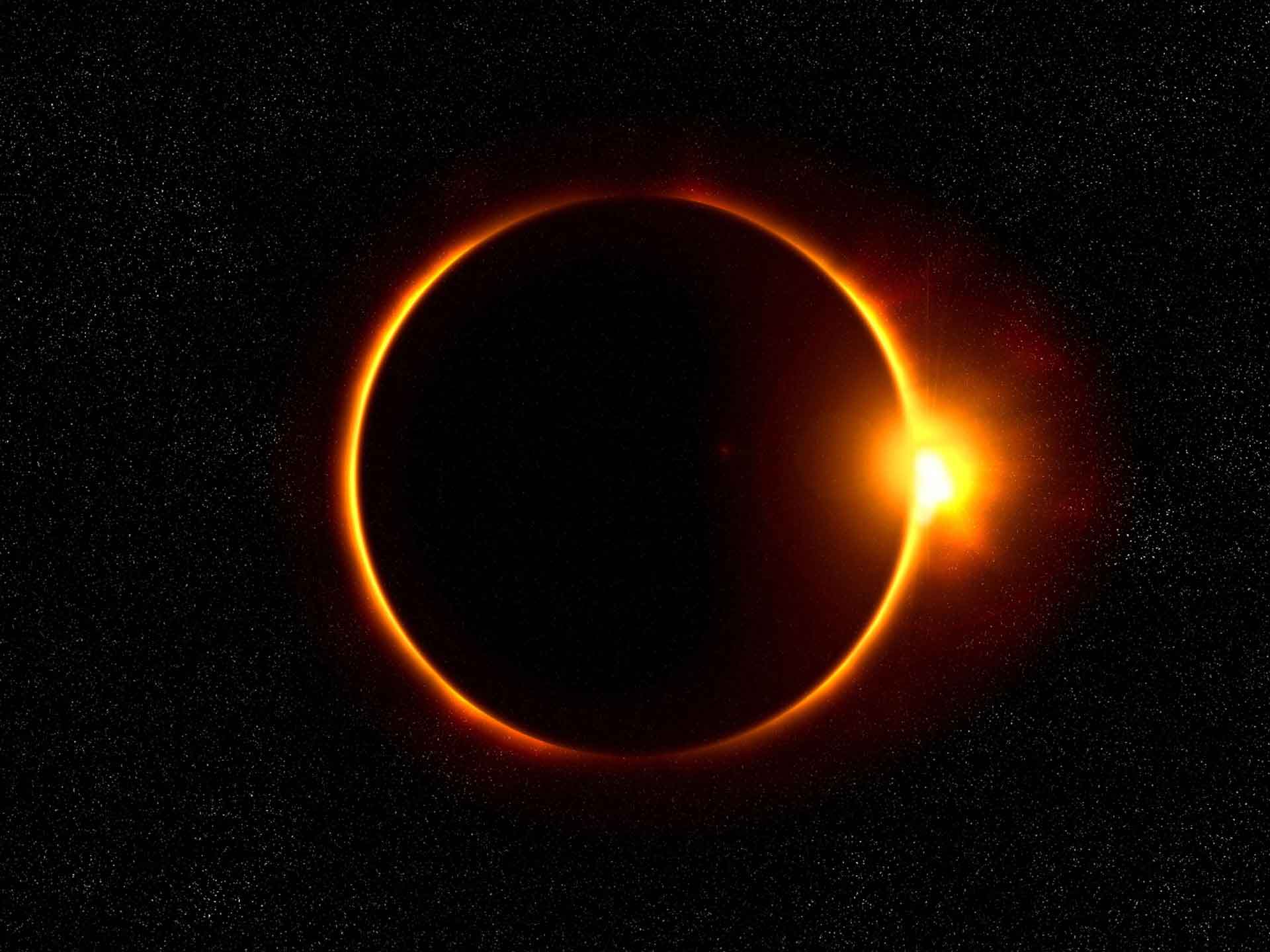
Few natural phenomena inspire awe quite like a solar eclipse. As the moon aligns between the Earth and the sun, turning day into twilight, millions of spectators flock outdoors to witness the sky transform. However, admiring this celestial spectacle without proper eye protection can lead to catastrophic, irreversible consequences. Looking directly at the sun—even for a few brief seconds during a partial eclipse—can cause permanent thermal damage to the retina, a condition known medically as solar retinopathy.
Understanding the severe risks associated with unfiltered solar viewing, recognizing false safety myths, and taking the right steps to protect your vision ensures you can enjoy astronomical events without endangering your eyesight. Here is an essential guide to solar eclipse eye safety, proper protective gear, and medical signs to watch for.
1. The Science of Danger: What Happens to Your Eyes During an Eclipse?
The danger of viewing a solar eclipse stems from how the human eye focuses light. Your eye’s lens acts like a magnifying glass, focusing incoming light directly onto the retina—the delicate layer of light-sensitive tissue lining the back of the eye.
When you stare directly at the sun, intense solar radiation (including ultraviolet and near-infrared light) concentrated on the retina causes a severe photochemical reaction and thermal burn. This damages or destroys the photoreceptor cells (rods and cones) responsible for transferring visual information to your brain.
Key biological factors that make eclipse viewing particularly hazardous include:
- Painless Destruction: The retina has no pain receptors. You will not feel a burning sensation or physical discomfort as the damage is occurring, making it impossible to rely on natural reflexes to look away.
- The False Security of Dimness: During a partial eclipse, as the sun becomes partially covered, ambient light drops. This causes your pupils to dilate, allowing even *more* concentrated infrared and UV radiation to flood into your eye than on a typical sunny day.
- Delayed Symptoms: Damage from solar retinopathy is not always immediate. Vision loss and central blind spots often develop several hours or even a day after the exposure.
2. Certified Eclipse Glasses vs. Dangerous Imposters
Regular sunglasses—no matter how dark, expensive, polarized, or UV-blocking they claim to be—are completely unsafe for viewing a solar eclipse. Standard dark sunglasses transmit thousands of times too much solar light to protect your retina.
To view an eclipse safely, you must use specialized solar viewing filters that meet strict international safety benchmarks.
The ISO 12312-2 Standard
Safe solar eclipse glasses and handheld viewers must comply with the ISO 12312-2 international safety standard. Certified filters reduce visible sunlight to safe levels and block 100% of harmful ultraviolet (UV) and infrared (IR) radiation.
“Never look at an uneclipsed or partially eclipsed sun through an unfiltered camera, telescope, binoculars, or regular sunglasses—even if you are wearing ISO-certified eclipse glasses. The concentrated solar rays will burn through the filter and cause instant, catastrophic eye damage.”
How to Verify Safe Eclipse Eyewear
- Check the Certification Stamp: Look for the explicit “ISO 12312-2” label and the manufacturer’s name printed clearly on the frame.
- Inspect for Physical Damage: Check for scratches, punctures, tears, or loose lenses. Throw away any damaged or wrinkled eyewear immediately.
- Perform the Indoor Darkness Test: Authentic ISO solar glasses should make normal indoor light sources completely invisible. If you can see room lamps, household appliances, or normal surroundings, the glasses are counterfeit and unsafe.
3. Dangerous Myths and Unsafe Viewing Methods
Every solar eclipse brings a wave of dangerous myths regarding safe viewing techniques. Misinformation can easily lead to permanent vision loss. Avoid these unsafe methods at all costs:
- Unfiltered Optical Equipment: Looking through binoculars, cameras, or telescopes without specialized solar filters mounted *on the front objective lens* is extremely dangerous. These devices concentrate sunlight like a magnifying glass, burning through eye tissue in a fraction of a second.
- Smoked Glass or X-Ray Film: Exposed film negatives, CD/DVD surfaces, smoked glass, or medical X-ray films do not offer sufficient, uniform UV protection.
- Welding Helmets Below Shade 14: Only the darkest shade of welding glass—Shade 14—is safe for direct solar viewing. Most standard welding helmets feature Shade 10 to 12 filters, which are unsafe.
- Looking Through Water Reflections: Viewing the sun reflected in a bucket of water or mirror does not lower harmful radiation to safe levels.
4. Safe Indirect Viewing: Pinholes and Projection Techniques
If you do not have certified ISO eclipse glasses, you can still experience the event safely using indirect projection techniques. Indirect viewing projects an image of the sun onto a surface rather than looking directly at the solar disk.
Simple and safe indirect methods include:
- The Pinhole Projector: Poke a small hole through a piece of cardstock or paper. With your back to the sun, let sunlight pass through the pinhole onto a second piece of paper on the ground to view a clear shadow projection of the eclipsed sun.
- Colander or Tree Leaves: Natural pinholes created by overlapping tree leaves or the holes in a kitchen colander project dozens of miniature crescent suns onto walls and sidewalks during a partial eclipse.
- Solar Filters for Cameras & Optics: If capturing photography, purchase professionally manufactured, aperture-mounted solar filters certified specifically for optics.
5. Recognizing Solar Retinopathy: Signs and Symptoms
If you or someone in your family accidentally looked at the sun without proper protection, it is vital to monitor for signs of eye injury over the following 12 to 48 hours.
Common symptoms of solar retinopathy include:
- A dark, gray, or blank spot in the center of your vision (scotoma).
- Distorted vision, where straight lines appear wavy, bent, or curved.
- Increased light sensitivity, eye soreness, or persistent headaches.
- Altered color perception or reduced visual acuity in one or both eyes.
If you experience any of these visual disruptions following an eclipse, schedule an immediate consultation with an optometrist or ophthalmologist. While some solar retinopathy cases show partial recovery over several months, damage can frequently be permanent.
The Takeaway: Protect Your Vision to Cherish the View
Witnessing a solar eclipse is a breathtaking, bucket-list experience that reminds us of the grandeur of our solar system. However, no astronomical view is worth risking your permanent sight.
By securing ISO 12312-2 certified eclipse glasses, utilizing indirect projection methods, and educating your friends and family on safety warnings, you can enjoy the magic of the cosmos with complete peace of mind!