
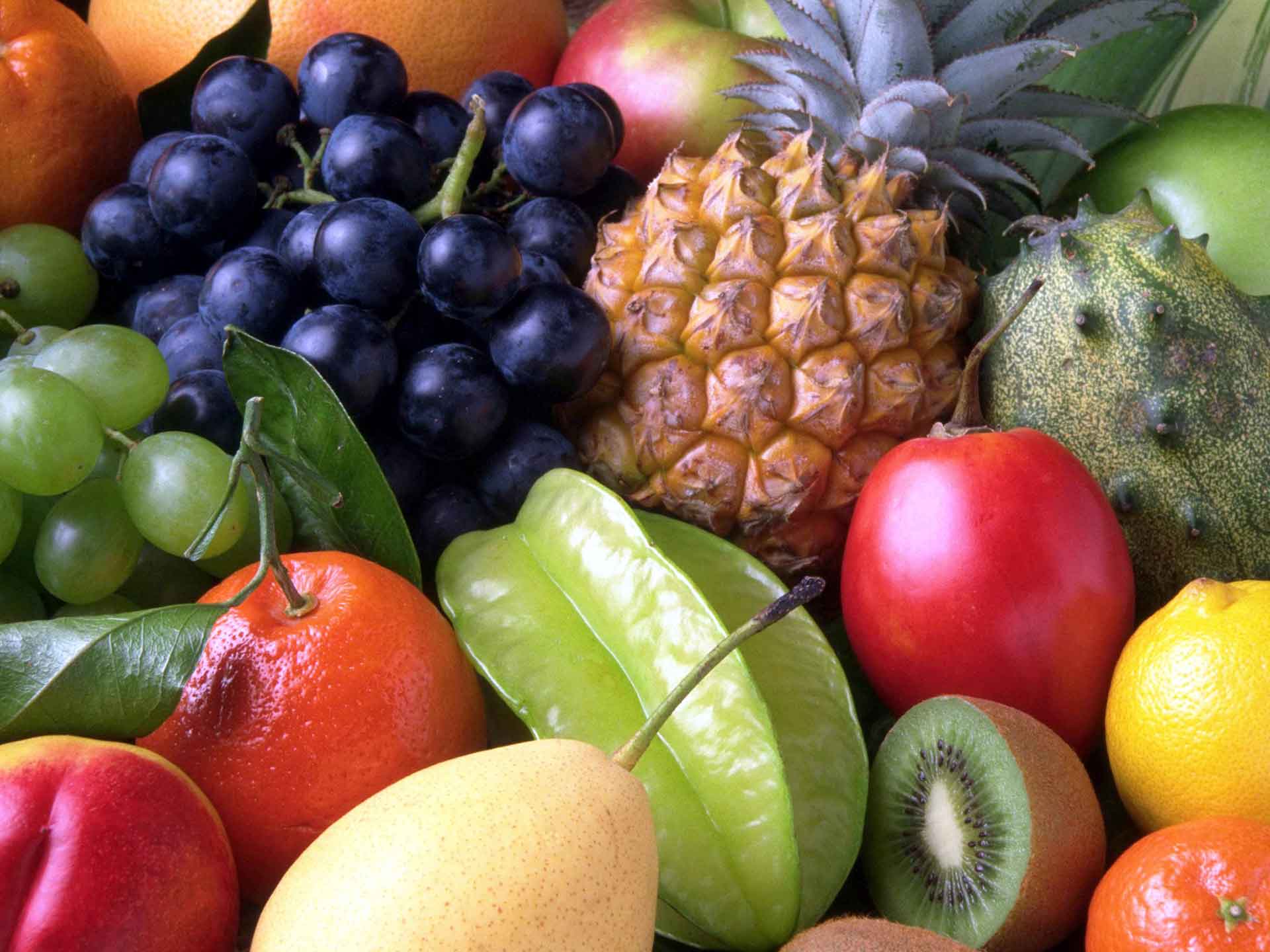
Get more nutrition in every bite
In today’s fast-paced world, healthy eating often feels overwhelming, complicated by contradictory diet trends and endless lists of foods to avoid. However, transforming your health does not require restrictive calorie counting or eliminating entire food groups. Instead, the most sustainable, powerful approach to wellness is simple: shift your focus toward nutrient density. Learning how to get more nutrition in every bite allows you to nourish your body deeply, boost energy levels, and maximize health benefits without eating larger quantities of food.
By making strategic ingredient swaps, pairing foods for optimal nutrient absorption, and refining your preparation methods, you can dramatically elevate the nutritional value of your daily meals. Here is a comprehensive guide to mastering nutrient-dense eating and making every single forkful count.
1. Understanding Nutrient Density vs. Caloric Density
To pack more nutrition into your meals, it is essential to understand the concept of nutrient density. Nutrient density measures the proportion of beneficial micronutrients—such as vitamins, minerals, antioxidants, essential fatty acids, and fiber—relative to the total calories a food provides.
Contrast this with energy-dense or “empty calorie” foods, which offer high amounts of sugar and processed fats with minimal biological value. Choosing nutrient-dense options ensures your body receives maximum cellular fuel per calorie consumed:
- Low Nutrient Density: White bread, sugary sodas, commercial pastries, and processed snack chips.
- High Nutrient Density: Dark leafy greens, wild-caught seafood, berries, legumes, nuts, seeds, and fermented foods.
When you prioritize nutrient density, you naturally suppress excessive hunger cues because your body receives the vital micronutrients it craves to function efficiently.
2. Power Up Your Plates: High-Impact Ingredient Swaps
Getting more nutrition into every bite does not mean cooking entirely separate meals; it often starts with simple, high-impact ingredient upgrades to dishes you already love.
Consider these effortless nutrient-boosting swaps:
Swap Refined Grains for Ancient Grains
Replace plain white rice or processed pasta with quinoa, farro, wild rice, or amaranth. Quinoa, for example, is a complete protein containing all nine essential amino acids, alongside iron, magnesium, and fiber.
Upgrade Your Salad Greens
Move past watery iceberg lettuce and build salads on a foundation of dark, complex greens like kale, Swiss chard, arugula, and spinach. Dark greens are loaded with vitamins A, C, and K, folate, and powerful carotenoids that support eye and heart health.
Incorporate Seed Toppers
Keep jars of chia seeds, hemp hearts, and ground flaxseeds on your kitchen counter. Sprinkling just one tablespoon of hemp hearts over soups, yogurts, or salads adds complete protein, healthy omega-3 fatty acids, zinc, and magnesium instantly.
“True nourishment isn’t about eating more volume; it’s about elevating the quality and bio-availability of the food already on your plate.”
3. Food Synergy: Combining Foods to Maximize Absorption
Eating nutrient-rich food is only half the battle; your body must also be able to absorb and utilize those nutrients effectively. This is where food synergy—the concept that certain nutrients work synergistically to boost absorption—becomes a game-changer.
To get maximum value from every bite, practice these science-backed food pairings:
- Iron + Vitamin C: Non-heme iron found in plant foods like spinach, lentils, and beans is harder for the body to absorb. Pairing iron sources with Vitamin C (such as squeezing fresh lemon juice over sautéed spinach or adding bell peppers to a lentil salad) increases iron absorption by up to 300%.
- Fat-Soluble Vitamins + Healthy Fats: Vitamins A, D, E, and K require dietary fat to cross the intestinal wall. Always pair colorful vegetables (carrots, tomatoes, leafy greens) with healthy fats like extra virgin olive oil, avocado, or nuts.
- Turmeric + Black Pepper: Curcumin, the potent anti-inflammatory compound in turmeric, has poor bioavailability on its own. Adding a pinch of black pepper (which contains piperine) increases curcumin absorption by up to 2,000%.
4. Cooking and Preparation Techniques That Preserve Nutrients
How you prepare your food directly impacts its final nutrient profile. Overcooking or using improper culinary techniques can leach heat-sensitive vitamins right into the sink.
Follow these culinary best practices to preserve maximum nutrition:
- Steam or Microwaves Over Boiling: Boiling vegetables causes water-soluble vitamins (such as Vitamin C and B-complex vitamins) to leach out into the cooking water. Steaming or light microwaving retains significantly higher vitamin levels.
- Embrace Sautéing with Healthy Fats: Lightly sautéing vegetables like tomatoes and carrots breaks down tough plant cell walls, making antioxidants like lycopene and beta-carotene much easier for your digestive system to access.
- Incorporate Raw and Cooked Varieties: Some nutrients (like heat-sensitive Vitamin C in broccoli) are highest when raw, while others (like lycopene in tomatoes) become more active when cooked. Enjoy a balanced mix of raw and cooked produce daily.
5. Simple Daily Habits to Boost Meal Density
Infusing extra nutrition into your routine can be effortless when built into simple daily habits:
- Blend Greens into Smoothies: Toss a handful of frozen spinach or zucchini into your morning fruit smoothie—it adds zero bitter flavor while boosting fiber, potassium, and antioxidants.
- Stir Organ Meats or Mushrooms into Minced Dishes: Blend finely chopped mushrooms or small amounts of nutrient-packed liver into ground turkey or beef dishes like tacos, meatballs, and chili.
- Enrich Soups with Bone Broth and Beans: Use collagen-rich bone broth as a base for stews and grains, and stir in mashed white beans to naturally thicken soups while adding fiber and protein.
The Takeaway: Small Swaps, Extraordinary Results
Getting more nutrition in every bite is not about perfection or rigid rules; it is an empowering strategy to optimize your vitality from the inside out. By prioritizing nutrient-dense ingredients, practicing smart food pairings, and cooking with intention, you transform every meal into a powerful investment in your long-term health.
Start small today: pick one meal, add a nutrient boost, and enjoy the lasting energy and wellness that follows!