
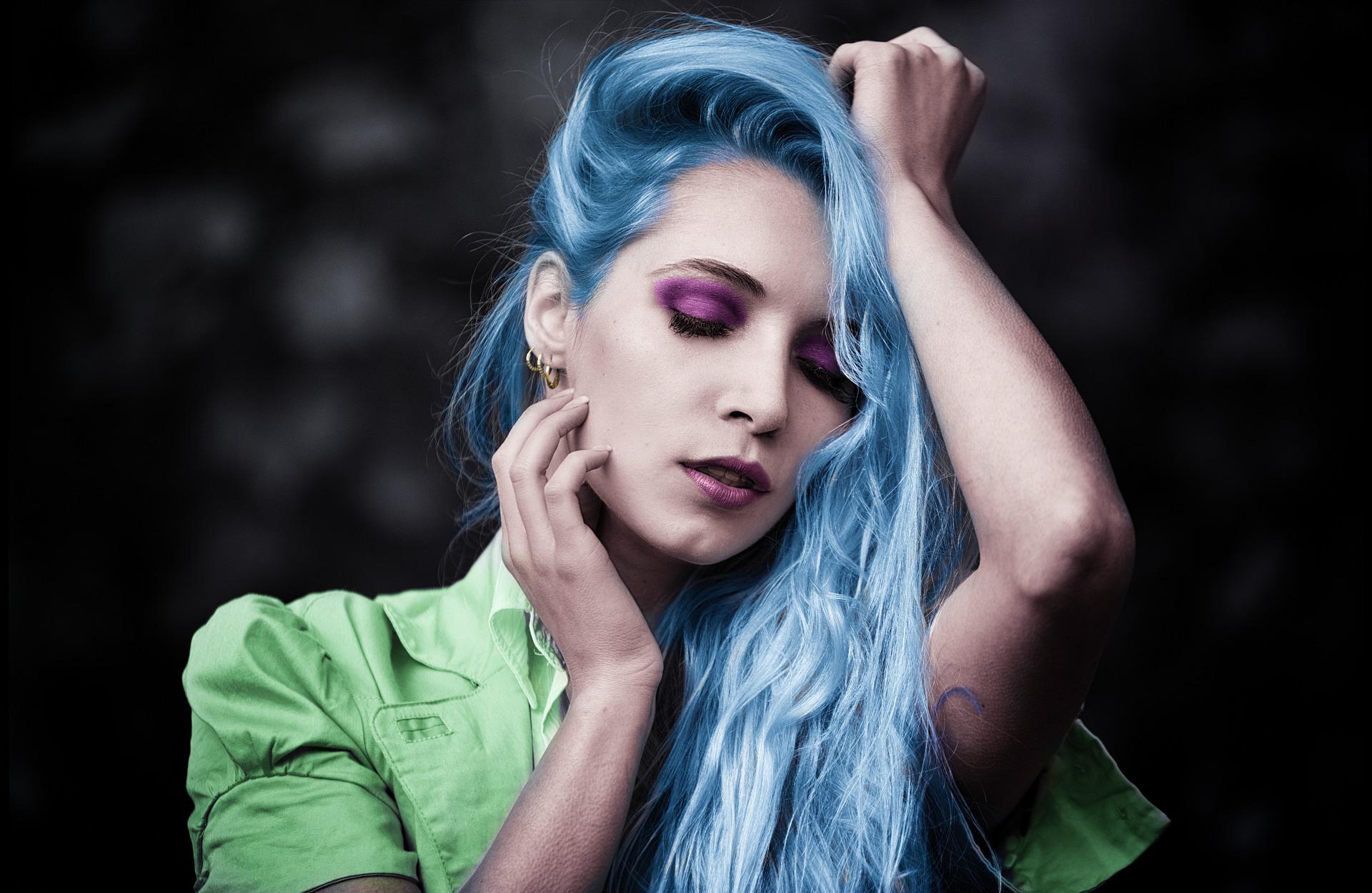
Transform Your Look: The Ultimate Guide to Coloring Your Hair at Home and in the Salon
Changing your hair color is one of the most powerful ways to express your personal style, boost your confidence, and refresh your everyday appearance. Whether you are looking to cover subtle gray hairs, embrace a trendy dimensional shade like cowgirl copper or butter blonde, or experiment with vivid fantasy tones, coloring your hair is both a creative art and a precise science. However, achieving rich, vibrant color while maintaining the health of your locks requires proper preparation, knowledge, and technique.
From understanding underlying color tones to choosing between permanent dyes and gentle glosses, here is everything you need to know to safely and successfully color your hair.
1. Understanding the Basics: Levels, Tones, and Color Types
Before mixing any dye, it is essential to understand how hair color works. Hair color formulas are categorized by two fundamental factors: level and tone.
Hair Color Levels
The level system measures the degree of lightness or darkness in a hair shade, ranging on a scale from 1 to 10:
- Levels 1–3: Deep blacks and dark espresso browns.
- Levels 4–6: Medium to light chestnut browns and dark blondes.
- Levels 7–10: Medium blondes up to ultra-light platinum shades.
Identifying Tones
Tone describes the warmth or coolness of a color. Matching the right tone to your skin’s natural undertone creates a harmonious, flattering result:
- Warm Tones: Gold, honey, caramel, and copper. Ideal for warm or golden complexions.
- Cool Tones: Ash, silver, mushroom brown, and violet-based shades. Perfect for neutralizing unwanted brassiness or complementing cool undertones.
- Neutral Tones: Balanced blends of warm and cool tones that suit almost every skin tone.
Types of Hair Dye
Choosing the right formula depends on your commitment level and hair goals:
- Permanent Dye: Opens the hair cuticle to deposit long-lasting pigment. Best for 100% gray coverage or significant color shifts.
- Demi-Permanent Dye: Ammonia-free color that sits partially inside the cuticle, lasting roughly 20 to 28 washes. Great for blending grays or adding richness without harsh regrowth lines.
- Semi-Permanent Dye / Toners: Deposit-only pigments that coat the outside of the hair shaft. Ideal for refreshing color vibrancy or toning down unwanted yellow/orange shades.
2. Pre-Color Preparation: Building a Healthy Canvas
The secret to long-lasting, vibrant color is starting with healthy hair. Damaged or overly porous hair absorbs dye unevenly, often leading to patchy, dull results or rapid color fading.
Follow these essential prep steps before your color session:
- Clarify 24 Hours Before: Wash your hair with a clarifying shampoo 1–2 days prior to coloring. This removes stubborn product build-up, hard water minerals, and excess oils while allowing natural scalp lipids to protect your skin during processing.
- Deep Condition in Advance: Apply a hydrating hair mask or bond-repairing treatment a few days before coloring to fortify hair strands.
- Always Conduct a Patch and Strand Test: Never skip a patch test 48 hours beforehand to check for potential chemical allergies. Additionally, perform a strand test on a hidden piece of hair to preview the final color and processing timing.
“Hair color is an investment in your self-expression. Protecting the integrity and health of your hair before, during, and after coloring is the true secret to salon-quality shine.”
3. Step-by-Step DIY Home Coloring Strategy
If you choose to color your hair at home, setting up a clean, organized workspace and taking your time will prevent messy mistakes.
Essential Tools You Need:
- Box dye or professional color/developer mix
- Non-metallic mixing bowl and tint brush
- Protective gloves and a dark, old towel
- Sectioning clips
- Petroleum jelly or barrier cream (to protect your hairline and ears)
The Application Process:
- Apply Barrier Cream: Dab a thin layer of petroleum jelly along your hairline, ears, and neck to prevent skin staining.
- Section into Four Quadrants: Divide your hair down the center and from ear to ear, securing each section with non-metal clips.
- Work from Roots to Ends: If touching up regrowth, apply color strictly to the roots first. If doing an all-over transformation on virgin hair, work systematically in thin, clean sub-sections from the bottom up.
- Respect the Processing Timer: Set a timer according to the manufacturer’s instructions. Do not leave dye on longer than recommended, as this can cause scalp irritation and excess dryness.
- Rinse with Cool Water: Rinse thoroughly with lukewarm or cool water until the water runs completely clear, then follow up with a color-safe conditioner.
4. When to See a Professional Stylist
While basic single-process color touch-ups and subtle dark glazes are manageable at home, certain complex techniques require professional expertise to prevent severe hair breakage:
- Major Lightening or Bleaching: Transitioning from dark brown or black hair to a light blonde requires strategic bleaching, controlled developers, and toners.
- Complex Balayage and Highlights: Hand-painted balayage and air-touch techniques demand precise placement and professional tension to achieve a seamless, blended grow-out.
- Color Correction: Fixing uneven patches, removing dark box dye, or counteracting unwanted green/orange tones should always be handled by a licensed colorist.
5. Post-Color Care: Maintaining Vibrancy and Shine
Your job doesn’t end when the dye is rinsed out. Maintaining color brilliance and preventing premature fading requires a dedicated post-color care routine:
- Switch to Sulfate-Free Products: Sulfates strip color molecules from the hair shaft rapidly. Choose color-protecting, sulfate-free shampoos and conditioners.
- Lower the Water Temperature: Hot water opens the hair cuticle, allowing pigments to escape. Wash your hair with lukewarm water and finish with a cool rinse to lock in shine.
- Limit Heat Styling and Use Protection: Extreme heat from blow dryers, flat irons, and curling wands dulls hair color. Always apply a high-quality thermal heat protectant before styling.
- Use Toning Glosses Between Visits: Maintain your shade’s richness with weekly color-depositing conditioners or purple/blue shampoos to keep blondes bright and brunettes cool.
The Takeaway: Embrace Your New Look with Confidence
Coloring your hair is a fun, creative journey that elevates your entire look. By choosing the right formula for your hair type, preparing your strands properly, and maintaining your color with gentle care products, you can enjoy vibrant, glossy, and healthy-looking hair every day.
Pick your perfect shade, follow these expert rules, and step out with stunning, head-turning color!