The Modern Wireless Headphone Revolution: How Advanced Silicon, AI, and Audiophile Fidelity Transformed Personal Audio
When major smartphone manufacturers first systematically eliminated the traditional 3.5mm headphone jack, critics viewed the shift as a forced inconvenience designed to drive peripheral sales. Today, that controversial turning point is recognized as the catalyst for one of the most explosive eras of innovation in consumer electronics history. Wireless headphones are no longer mere untethered substitutes for legacy cables; they have evolved into sophisticated, AI-driven personal computing hubs that seamlessly merge pristine acoustics, active environment management, and continuous biological sensing.
The contemporary wireless audio market reflects a fundamental shift in how human beings interact with sound. From high-altitude commuters seeking sanctuary from jet engine roar to audiophiles demanding studio-grade detail on the go, modern wireless headphones have shattered previous technical limitations. Examining the convergence of cutting-edge silicon, high-resolution wireless protocols, and human-centric design reveals how personal acoustic environments became indispensable tools for modern living.
1. The Neural Audio Processing Leap
At the center of today’s wireless audio revolution is the migration from basic Bluetooth receivers to custom, multi-core system-on-chip (SoC) architectures. Early generations of wireless cans struggled with basic signal stability and rudimentary noise gating; current flagships operate complex neural networks directly on the device in real time. Specialized audio processors now process hundreds of thousands of acoustic calculations per second, analyzing ambient background noise through dedicated external and internal microphone arrays.
This massive leap in processing power has entirely reinvented Active Noise Cancellation (ANC). Rather than applying a static, inverted sound wave across all frequencies, modern adaptive ANC dynamically identifies distinct noise profiles—such as the sharp clatter of a coffee shop, the low drone of an HVAC system, or sudden wind shear—and neutralizes them instantly without altering the delicate equalization of the music. Simultaneously, intelligent transparency modes utilize psychoacoustic modeling to pass natural human voices through to the listener while suppressing ambient clutter, allowing seamless conversation without removing the headset.
“Modern wireless headphones no longer just play sound; they actively compute it. We have entered an era where computational acoustics can construct a private, dead-silent listening room in the middle of a chaotic metropolis.”
2. Erasing the Lossless Compromise
For decades, critical listeners rejected Bluetooth headphones due to the inherent lossy compression required to transmit digital audio over narrow wireless bandwidth. Early Bluetooth audio profiles degraded high-frequency air, compressed dynamic range, and introduced noticeable latency. However, recent advancements in transmission technology and high-throughput codecs have effectively erased the gap between wired fidelity and wireless convenience.
Modern wireless standards leverage advanced codecs capable of transmitting 24-bit/96kHz high-resolution audio natively over the air. Furthermore, the introduction of Bluetooth LE Audio and the widespread deployment of Auracast broadcast technology have fundamentally expanded connectivity capabilities. Listeners can now connect to public audio streams in airports, auditoriums, and venues without complex pairing rituals. For those times when absolute zero-loss fidelity is required, many premium wireless models now feature integrated USB-DAC (Digital-to-Analog Converter) functionality, allowing a single pair of headphones to operate as a high-end wired studio reference via USB-C or as an unconstrained wireless driver on the street.
3. The Emergence of Intelligent Hearables
The physical form factor of the wireless headphone is increasingly intersecting with the health, fitness, and wearable technology sectors. The industry-wide transition toward “hearables” means that earbuds and full-sized headsets are equipped with tiny optical and inertial sensors that monitor biometric signals without requiring a smartwatch or fitness tracker.
Integrated optical heart-rate monitors, multi-axis accelerometers, and spatial gyroscopes embedded within earcups gather precise physiological data directly from the temporal blood vessels and head movements. Advanced firmware can analyze posture angles to warn office workers when they are slouching, log core body biometric trends during high-intensity training, and even evaluate cognitive fatigue caused by prolonged exposure to loud environments. By positioning sensors inside the ear canal—where blood flow reads are exceptionally stable—wireless audio gear has quietly become one of the most accurate consumer biometric platforms available.
4. Spatial Audio and Immersive Media Environments
Parallel to improvements in hardware and biometrics is the dramatic transformation of soundstage delivery through object-based spatial audio. Traditional stereo panning isolates channels into left and right earcups, creating an artificial sound field inside the listener’s head. Modern spatial computing algorithms, combined with real-time dynamic head-tracking, simulate a multi-channel speaker setup positioned in physical space around the user.
When a listener turns their head toward a virtual screen or stage, sound sources remain anchored in three-dimensional space, mimicking the natural acoustics of a live concert hall or a home theater environment. This technology extends far beyond film and music consumption. In hybrid work ecosystems, spatial audio separates remote meeting participants into distinct virtual seats around a conference table, significantly reducing the cognitive strain and “listener fatigue” associated with hours of flat, monophonic video conference calls.
5. Ergonomics, Battery Innovations, and Sustainability
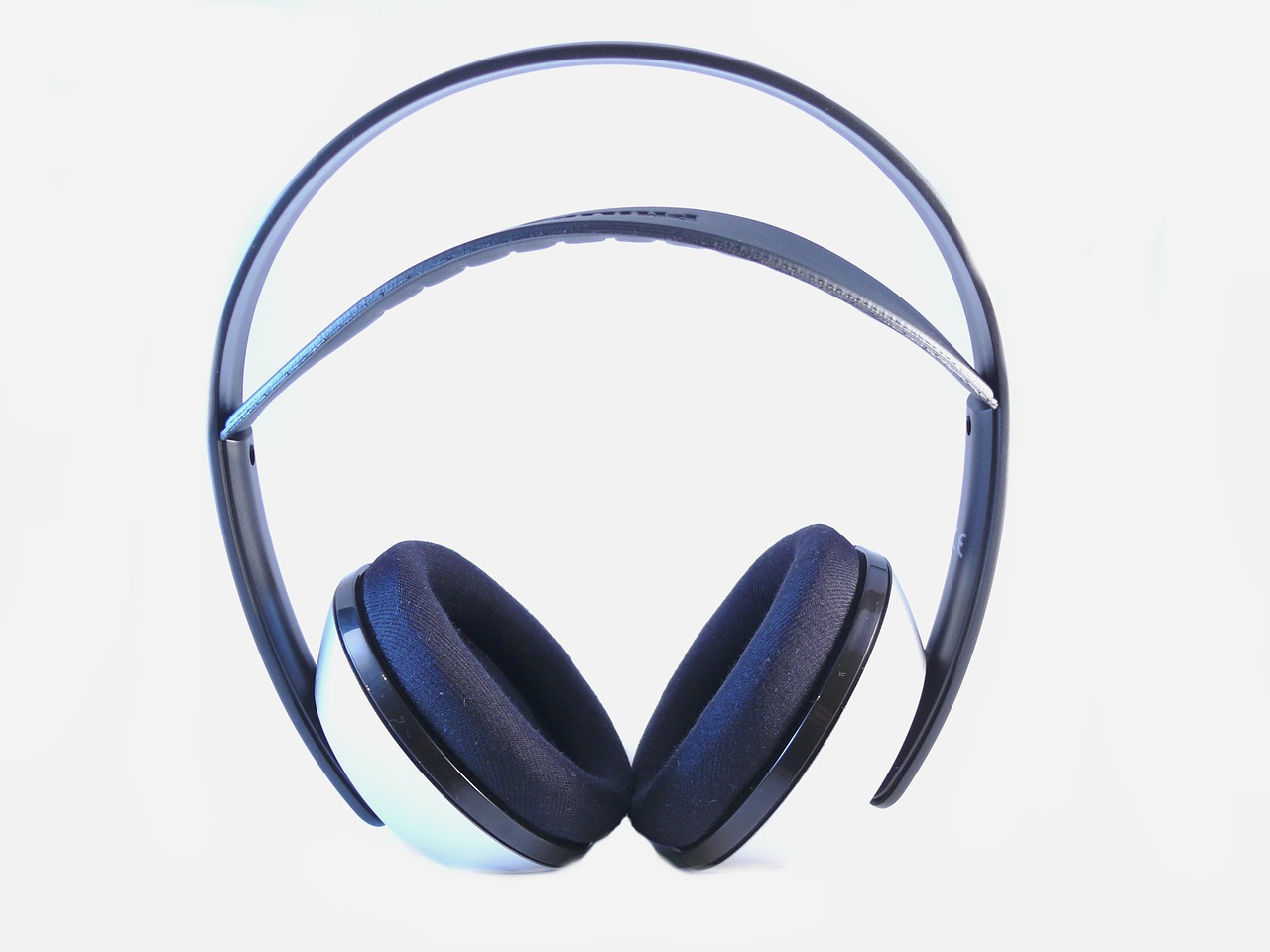
As consumer usage patterns shift toward all-day wearability, industrial design has adapted accordingly. Engineering teams utilize extensive 3D ear-canal mapping and advanced lightweight alloys to eliminate pressure points, optimize weight distribution, and ensure thermal comfort during extended listening sessions. Memory foam ear cushions wrapped in breathable, moisture-wicking textiles allow users to move from high-intensity workouts to desk work without discomfort.
Simultaneously, power efficiency has reached historic benchmarks. Silicon miniaturization and battery density improvements allow modern full-sized wireless headphones to yield upwards of 30 to 50 hours of continuous playback with active noise cancellation engaged, while quick-charge circuitry provides hours of playback from a quick five-minute charge. Furthermore, manufacturers are responding to environmental demands by designing modular components, incorporating post-consumer recycled plastics, and making earpads and batteries easily user-replaceable to extend overall product lifespans.
The Takeaway: A Renaissance in Personal Acoustic Control
The current landscape of wireless headphones marks a definitive golden age for personal audio. What began as a simple liberation from tangled cords has blossomed into a sophisticated ecosystem where high-fidelity acoustic engineering, artificial intelligence, and human ergonomics coexist harmoniously.
Whether utilized to focus in a noisy open-plan office, immerse oneself in high-resolution master recordings, or track physical wellness during a daily run, modern wireless audio devices have redefined what it means to be connected to our world and our media. As spatial computing and AI processing continue to mature, the simple headphone will remain the definitive bridge between human perception and digital sound.